Category: Uncategorized

  • Record Water Production Fails to Meet Central Visayas Demand

    Record Water Production Fails to Meet Central Visayas Demand

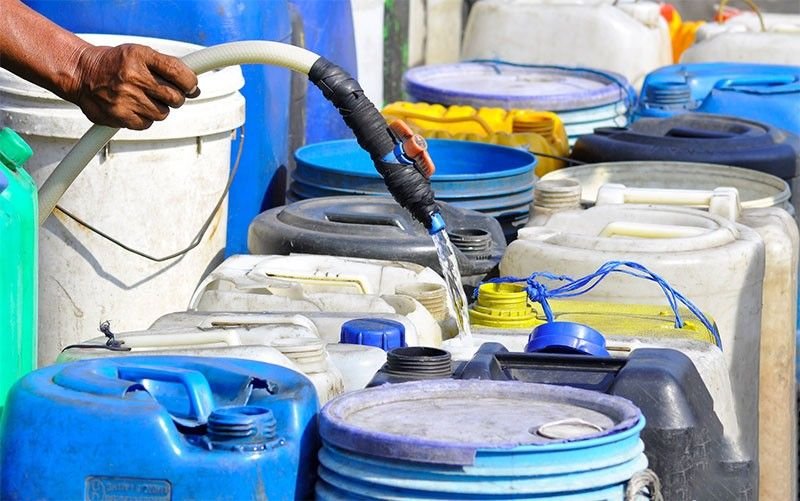
    Central Visayas water districts recorded the largest water deficit in the Visayas despite producing a record 12 million cubic meters of water in 2021, according to a Philippine Institute for Development Studies (PIDS) discussion paper.

    The study, titled “Securing Tomorrow’s Water,” showed that Central Visayas had the highest water demand among the Visayas regions, exceeding 10 million cubic meters. However, water districts in the region still faced an average deficit of four million cubic meters.

    From 2019 to 2024, water districts across the Visayas recorded an average demand of 8.9 million cubic meters, compared with only 6.3 million cubic meters of effective supply, resulting in a 2.7-million-cubic-meter negative water balance.

    The study also found that water districts in the Visayas had an average coverage rate of 68 percent, below the 85 percent benchmark for adequate supply performance. While Central Visayas reported 100 percent coverage, the region continues to face pressure from groundwater extraction, pollution and population growth.

    PIDS also noted that 60 percent of water districts in the Visayas rely on wells. Excessive groundwater extraction has contributed to saltwater intrusion in coastal areas, particularly in Metro Cebu and Lapu-Lapu City. 
  • Central Visayas Classroom Projects Remain Delayed

    Central Visayas Classroom Projects Remain Delayed

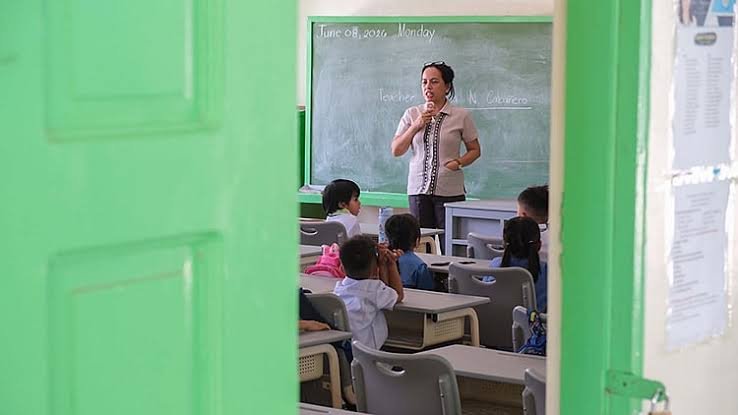
    MANDAUE CITY — Schools across Central Visayas are turning to double-shift schedules as a shortage of more than 10,000 classrooms continues to affect students at the start of School Year 2026–2027.

    The Department of Education 7 reported on June 8 that Cebu needs 8,287 additional classrooms while Bohol faces a shortage of 1,713. The shortage was worsened by disasters in 2025, including a magnitude 6.9 earthquake in northern Cebu and Typhoon Tino, which left several school buildings unsafe for use.

    DepEd 7 had planned to address the shortage through new classroom construction and repairs. However, six months into 2026, no new DepEd-funded classroom project in Central Visayas had broken ground as the regional office continued to wait for the Central Office’s priority project listings. Temporary Learning Spaces and planned temporary shelters are being used while permanent facilities remain delayed due to ___________

    The shortage has forced schools to maximize existing spaces through morning and afternoon shifts, while some affected students rely on blended learning. In Lapu-Lapu City, a classroom fire at Sudtonggan Elementary School on the first day of classes further highlighted the pressure on school facilities. The fire damaged part of the ceiling and left seven adjacent rooms unusable, although no students or staff were injured.

    With classroom construction and repairs still pending; DepEd 7 continues to rely on temporary facilities and alternative learning methods to keep students in school while permanent classrooms remain unavailable. 

  • ₱7.2 Trillion 2027 Budget Proposed Amid Economic Slowdown

    ₱7.2 Trillion 2027 Budget Proposed Amid Economic Slowdown

    President Ferdinand Marcos Jr. urged Congress on Tuesday to approve a ₱7.2-trillion proposed national budget for 2027, a 6% increase from this year, as the government works to regain economic momentum following slower growth and reduced infrastructure activity.

    The proposed spending plan would allocate ₱1.15 trillion to education, the largest share of the budget, although the amount is 11.5% lower than this year’s ₱1.3 trillion allocation. Healthcare would receive ₱353.8 billion, while agriculture would get ₱261.7 billion, both lower than their 2026 allocations.

    The Department of Public Works and Highways is set to receive ₱644 billion, a 22% increase from ₱530 billion this year. The agency has been at the center of an infrastructure scandal, with its 2026 budget previously reduced by about 40% from an initial proposal of ₱881 billion amid allegations of irregularities in public works projects.

    Defense spending would also increase to ₱328.8 billion, up from ₱305.5 billion, while ₱316 billion of the overall budget increase would cover mandatory obligations such as salary adjustments for military and uniformed personnel.

    The government expects ₱6.9 trillion in total disbursements against ₱5.2 trillion in revenues, resulting in a projected ₱1.7-trillion fiscal deficit to be financed through borrowing. The proposed budget comes as the economy grew only 2.3% in the second quarter, its weakest pace since 2021, while the government targets 5% to 6% annual growth from 2027 to 2030. 

  • Hello world!

    Welcome to WordPress. This is your first post. Edit or delete it, then start writing!